The Peters Lab The Learning & Memory Lab · University of Richmond

Publications

Biology Research

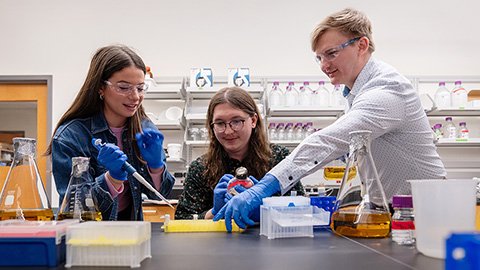
The Peters Lab explores the mechanisms of how memories are formed. We study how the connections between neurons are strengthened, a process called long-term potentiation (LTP). LTP is mediated by an increase in the number of AMPA receptors (a type of neurotransmitter receptor) located at the synapse. Delivering AMPA receptors involves a complex molecular machine made up of several proteins. The Peters Lab aims to determine the arrangement of proteins within this molecular machine and describe how the machinery is regulated. The lab uses single-particle cryo-electron microscopy, computational structural biology, an in vitro fusion assay, and cell imaging approaches to address this question.

Two Pleckstrin homology domains scaffold SNAP-47-containing SNARE complexes
Ismar Alickovic, Molly Wise, Rain Tela, Caleb Fausnaught, Lyndsey Lee, Connor Beasley, Christopher Carr, Camilla Carr, Luke Schwindt, John Peters
openRxiv  ·  16 Oct 2026  ·  doi:10.64898/2026.10.15.759244
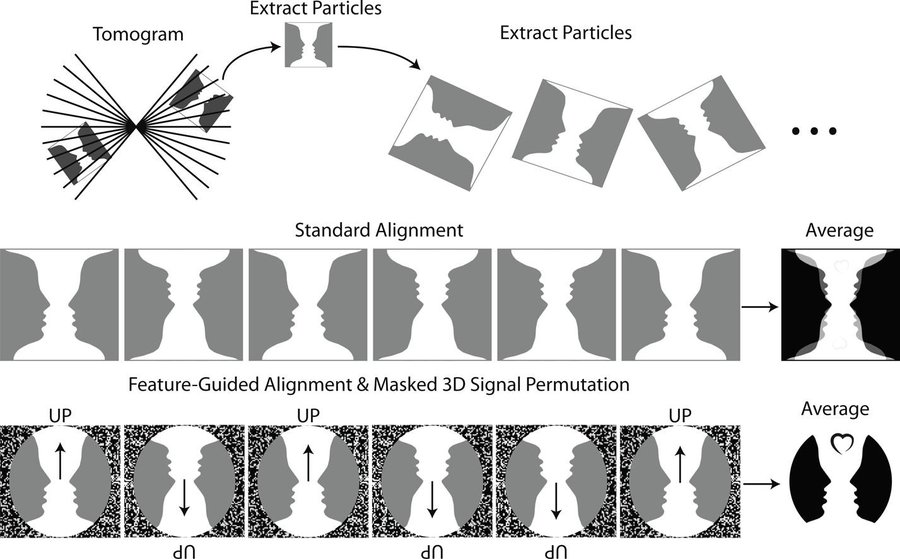
A feature-guided, focused 3D signal permutation method for subtomogram averaging
John Jacob Peters, Jeremy Leitz, Qiang Guo, Florian Beck, Wolfgang Baumeister, Axel T. Brunger
Journal of Structural Biology  ·  01 Jun 2022  ·  doi:10.1016/j.jsb.2022.107851
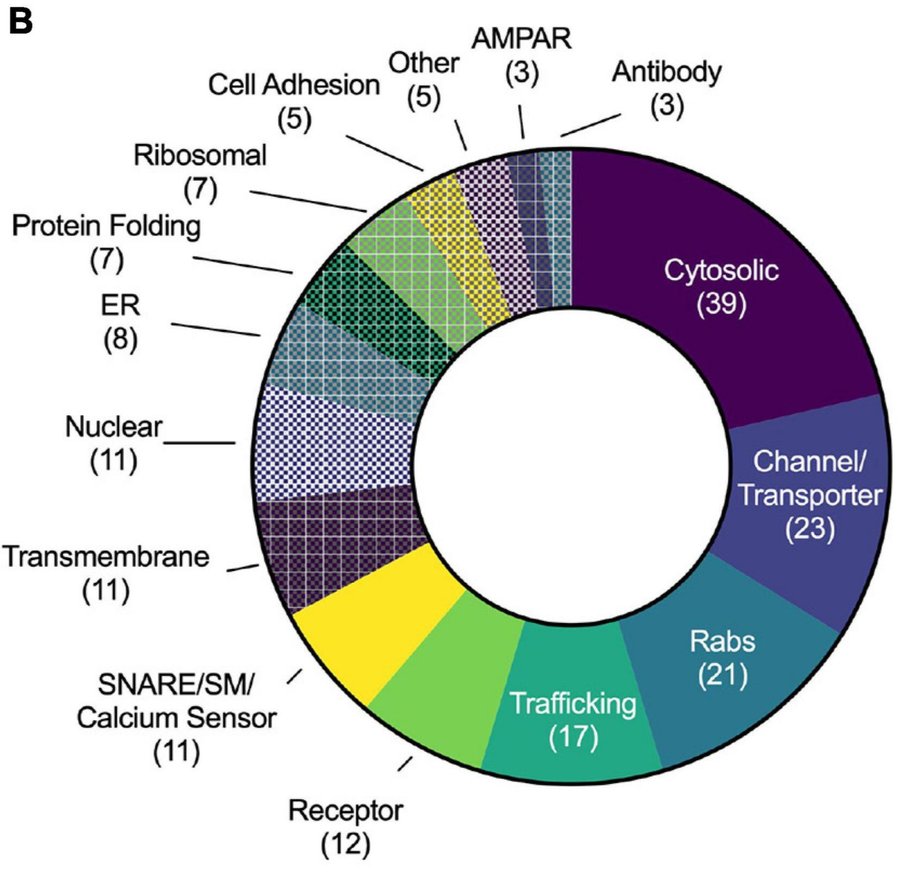
Molecular Characterization of AMPA-Receptor-Containing Vesicles
John Jacob Peters, Jeremy Leitz, Juan A. Oses-Prieto, Alma L. Burlingame, Axel T. Brunger
Frontiers in Molecular Neuroscience  ·  15 Oct 2021  ·  doi:10.3389/fnmol.2021.754631

Science Education Research

The Peters Lab also strives to improve undergraduate biology education. Efforts in this space include assessing the impact of generative AI on science education and designing and assessing course-based undergraduate research experiences that teach transferrable molecular biology skills. Students working on these projects will learn to collect and analyze qualitative data. These projects will help improve the undergraduate biology experience for students at the University of Richmond and around the globe.
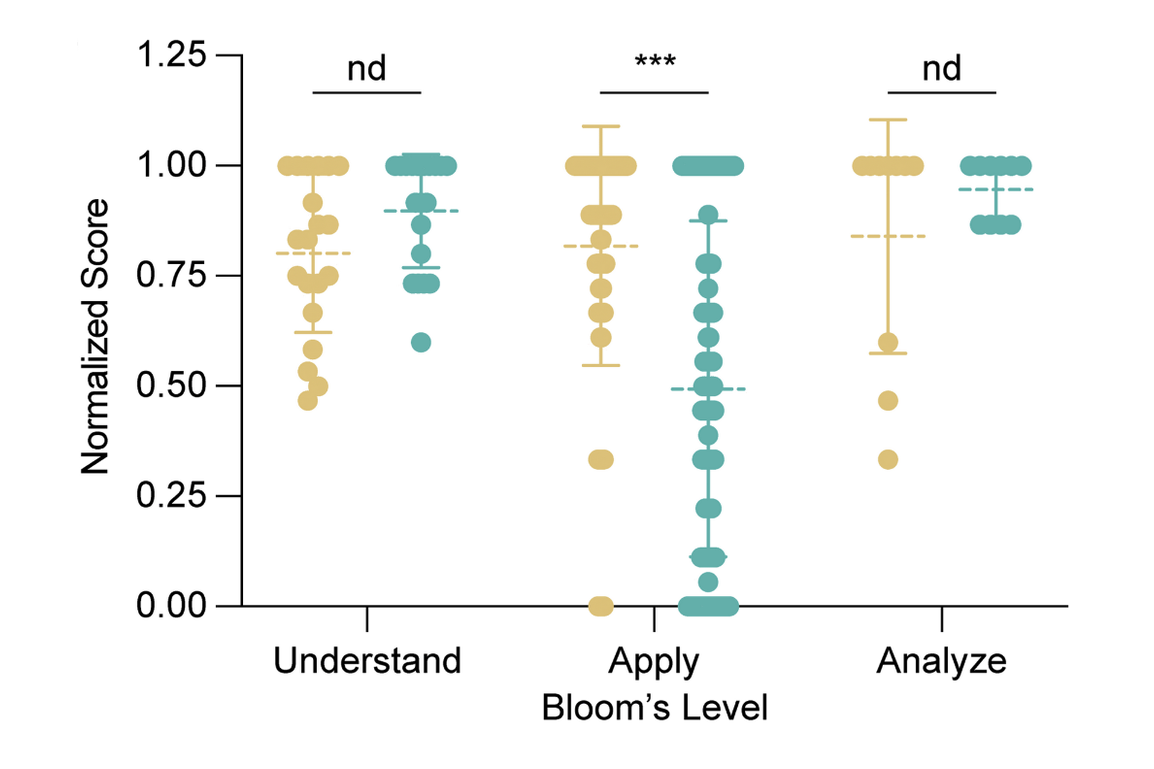
Designing life science assessments in the era of generative artificial intelligence
Andrew C. Kwong, Christopher Magnano, Cristina DeOliveira, Christine Goglia, Joseph J. Loparo, John Jacob Peters
PLOS One  ·  02 Apr 2026  ·  doi:10.1371/journal.pone.0346127
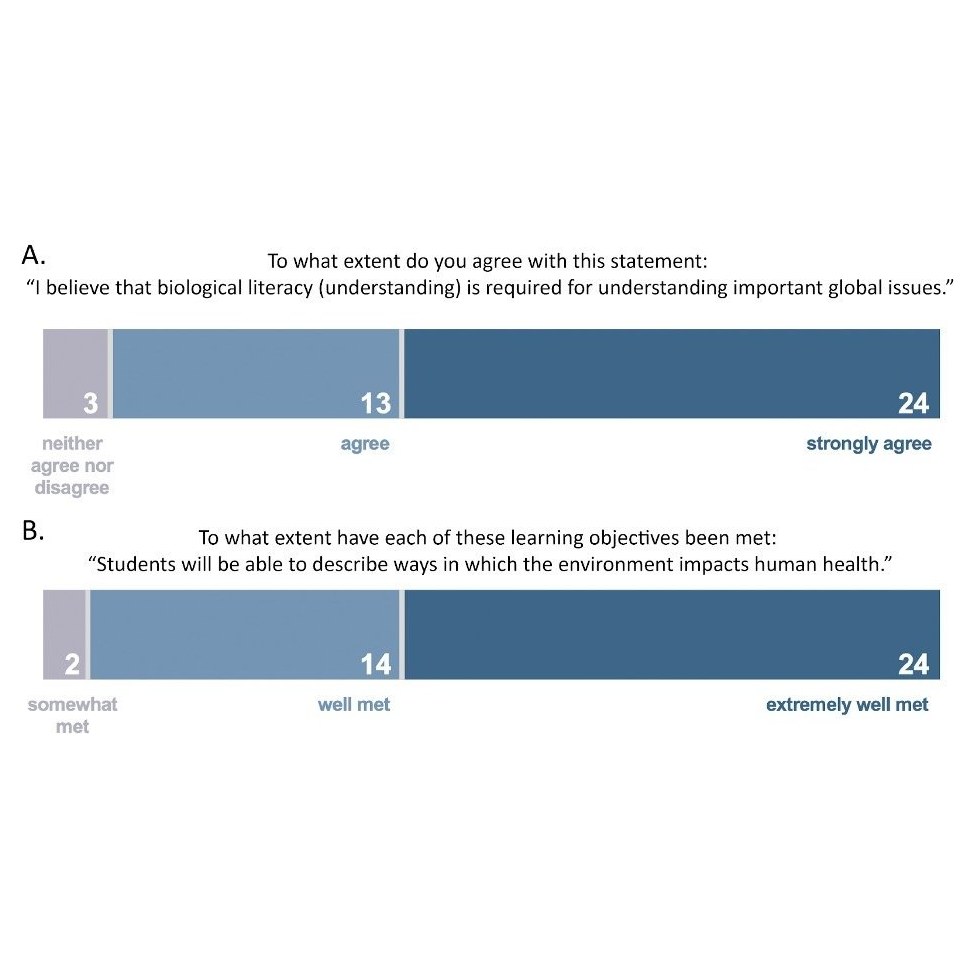
An environmental justice fictional case study for engaging non-majors in human biology
John Jacob Peters
Journal of Microbiology & Biology Education  ·  25 Apr 2024  ·  doi:10.1128/jmbe.00005-24

All Publications

2026

Two Pleckstrin homology domains scaffold SNAP-47-containing SNARE complexes
Ismar Alickovic, Molly Wise, Rain Tela, Caleb Fausnaught, Lyndsey Lee, Connor Beasley, Christopher Carr, Camilla Carr, Luke Schwindt, John Peters
openRxiv  ·  16 Oct 2026  ·  doi:10.64898/2026.10.15.759244
Designing life science assessments in the era of generative artificial intelligence
Andrew C. Kwong, Christopher Magnano, Cristina DeOliveira, Christine Goglia, Joseph J. Loparo, John Jacob Peters
PLOS One  ·  02 Apr 2026  ·  doi:10.1371/journal.pone.0346127

2025

New and Improved methods to isolate, purify, and functionally test specific synaptic vesicles
Nature Protocols  ·  18 Aug 2025

2024

Beyond the MUN domain, Munc13 controls priming and depriming of synaptic vesicles
Jeremy Leitz, Chuchu Wang, Luis Esquivies, Richard A. Pfuetzner, John Jacob Peters, Sergio Couoh-Cardel, Austin L. Wang, Axel T. Brunger
Cell Reports  ·  01 May 2024  ·  doi:10.1016/j.celrep.2024.114026
An environmental justice fictional case study for engaging non-majors in human biology
John Jacob Peters
Journal of Microbiology & Biology Education  ·  25 Apr 2024  ·  doi:10.1128/jmbe.00005-24

2022

Screening of Hydrocarbon-Stapled Peptides for Inhibition of Calcium-Triggered Exocytosis
Ying Lai, Michael J. Tuvim, Jeremy Leitz, John Peters, Richard A. Pfuetzner, …, Barbara Czako, Jason B. Cross, Philip Jones, Burton F. Dickey, Axel T. Brunger
Frontiers in Pharmacology  ·  17 Jun 2022  ·  doi:10.3389/fphar.2022.891041
A feature-guided, focused 3D signal permutation method for subtomogram averaging
John Jacob Peters, Jeremy Leitz, Qiang Guo, Florian Beck, Wolfgang Baumeister, Axel T. Brunger
Journal of Structural Biology  ·  01 Jun 2022  ·  doi:10.1016/j.jsb.2022.107851
Inhibition of calcium-triggered secretion by hydrocarbon-stapled peptides
Ying Lai, Giorgio Fois, Jose R. Flores, Michael J. Tuvim, Qiangjun Zhou, …, Luis Esquivies, Philip Jones, Manfred Frick, Burton F. Dickey, Axel T. Brunger
Nature  ·  23 Mar 2022  ·  doi:10.1038/s41586-022-04543-1

2021

Molecular Characterization of AMPA-Receptor-Containing Vesicles
John Jacob Peters, Jeremy Leitz, Juan A. Oses-Prieto, Alma L. Burlingame, Axel T. Brunger
Frontiers in Molecular Neuroscience  ·  15 Oct 2021  ·  doi:10.3389/fnmol.2021.754631